What it costs
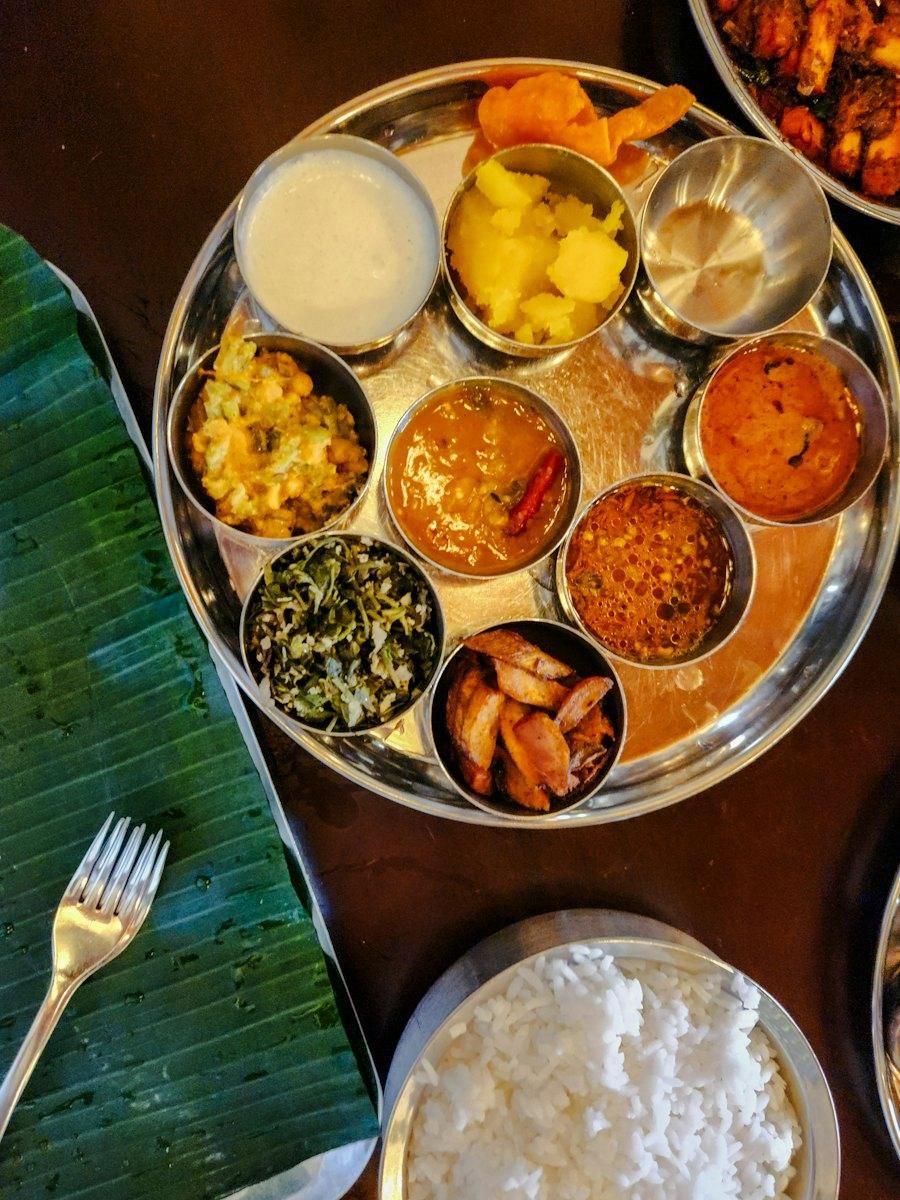
Welcome drink, 2–3 starters, 2 dals, 3–4 main dishes, breads, rice, 2 desserts; vegetarian.
5–6 starters, chaat and 2–3 live counters, North Indian plus one other cuisine, 4 desserts, mocktails.
Butler-passed starters, 5+ live counters, international cuisines, dessert bar, premium service staff.
Haldi and mehendi lunches: chaat, one live counter, a simple main course and dessert.
Why catering is your biggest line
Food and drink take roughly a quarter of an Indian wedding budget — the largest single share in our budget calculator. A difference of ₹500 per plate across 400 guests and three functions adds up to ₹6 lakh. That is why the per-plate number deserves more attention than almost any other decision.
If your venue is a banquet hall or hotel, catering is usually in-house and included in the per-plate price. At farmhouses and many lawns you hire a caterer separately, which gives you more choice but means more to manage.
How to build the menu
Start with the number of guests per function and the time of day, then choose the format. A buffet with live counters is standard for North Indian weddings; sit-down thalis suit smaller or traditional ceremonies. Plan fewer, better dishes: guests remember a perfect dal makhani and hot jalebis, not the twelfth sabzi. Keep at least one counter that suits elders — simple, not too spicy — and one that children will eat.
Use the wedding food calculator to check the caterer’s quantities per dish and per counter. If you are serving drinks, the alcohol calculator does the same for the bar.
Tastings
Always taste before signing. Ask for the tasting to be cooked by the same team that will cook on the day, and taste the dishes at serving temperature, not straight from the pan. Bring two or three family members whose opinion matters, and one who is honest. Note portion sizes, salt, spice and presentation. Most good caterers adjust the tasting cost against the booking.
Minimum guarantees and final numbers
Caterers and venues ask you to guarantee a minimum number of plates, usually confirmed 7–10 days before the event. You pay for the guaranteed number even if fewer people come. Set it slightly below your expected turnout; most caterers prepare 5–10% extra anyway. Ask what the charge is for plates above the guarantee.
Service and hygiene
Ask how many service staff you get per 100 guests (1 per 12–15 guests is good for a buffet with counters), how food is kept hot, and where the kitchen will be set up at a farmhouse. Confirm FSSAI registration. For Jain, satvik or allergy-aware guests, ask for separately prepared dishes and clear labels.
Reducing waste
Indian weddings waste a great deal of food. Confirm realistic numbers, avoid duplicating dishes across functions, and arrange with a food-rescue organisation or local shelter to collect safe leftovers. Ask the caterer to package untouched food at the end of the night.
Menus for different functions
Each function has its own rhythm. The haldi and mehendi are daytime and relaxed: chaat, a live counter such as golgappe or dosa, a simple lunch and plenty of cold drinks work better than a heavy spread. The sangeet is a party, so guests graze while they dance; more starters and fewer mains make sense, and the bar matters more than the dessert table. The wedding dinner is where families expect the full spread and the signature dishes. A reception after the pheras can be lighter if most guests already ate at the wedding. Planning each menu separately avoids paying for the same twenty dishes three times.
Red flags
- Refuses a tasting or insists on a non-refundable tasting fee.
- Quote does not separate GST, crockery and counter charges.
- Cannot tell you how many staff they will send.
- No FSSAI registration.
Prices are WeddingStreet estimates for Delhi NCR in 2026; see How we estimate.
What to look for
| What to check | Why it matters |
|---|---|
| FSSAI registration | A basic sign that the kitchen meets food-safety standards. |
| Live-counter execution | Counters are where queues and cold food happen; staffing matters. |
| Honest quantities | Over-ordering wastes lakhs; under-ordering embarrasses the family. |
| Dietary handling | Jain, vegan and allergy-aware guests need separate preparation. |
Questions to ask before you book
- What exactly is in the per-plate price, and what is extra (GST, service, crockery, counters)?
- What is the minimum guarantee, and how late can we change the number?
- Can we do a tasting, and is it free or adjusted against the booking?
- How many service staff per 100 guests?
- Do you prepare food on site or bring it cooked?
- How do you keep food hot and safe during a four-hour buffet?
- Are separate kitchens or counters used for Jain or satvik food?
- What happens to leftover food — can it be donated?
- Do you have an FSSAI licence and are staff trained in hygiene?
- What are the payment milestones and cancellation terms?
Example vendors
Chulha & Co. Caterers
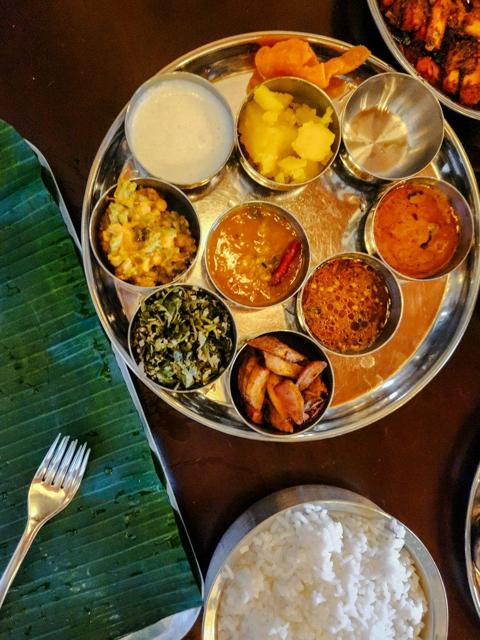
Fictional example: Punjabi and Awadhi menus with excellent live tandoor counters.
Rasoi Royale
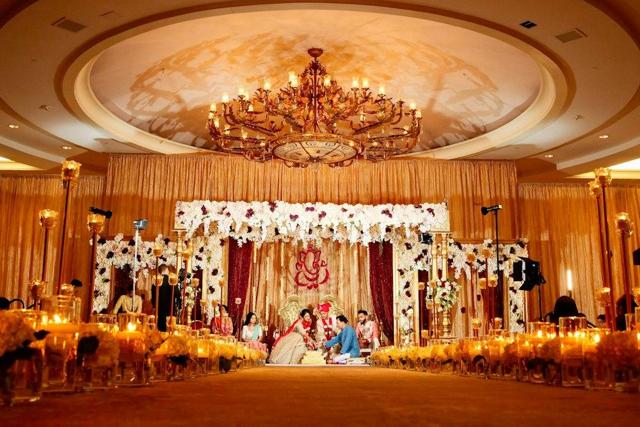
Fictional example: multi-cuisine farmhouse catering with Pan-Asian and Italian counters.

Marwar Thaal
Fictional example: Rajasthani thali specialists for destination weddings.