Hand it over
The single most important thing you can do on the wedding day is not be in charge. Choose a coordinator — a planner, or one calm and organised relative from each side — and give them this checklist, the run-sheet and every vendor’s phone number. Tell vendors that this person makes decisions on the day. Then let go.
The morning
Start earlier than you think you need to. Bridal makeup, hair and draping take around three hours, and getting-ready photos need another thirty minutes. Eat a real breakfast; many brides and grooms go twelve hours without a proper meal. Lay out every piece of the outfit the night before, including safety pins, footwear and the dupatta. Ask the photographer to arrive while details — jewellery, shoes, the outfit on a hanger — can still be shot in good light.
The emergency kit
- Safety pins, bobby pins, double-sided fashion tape and a small sewing kit
- Blotting papers, lip colour, compact and a small mirror
- Pain relief, antacids, plasters and any personal medication
- Phone charger, power bank and a small torch
- Water bottles, glucose, dry fruits and a sandwich for the couple
- A copy of the run-sheet and vendor phone numbers
The ceremony
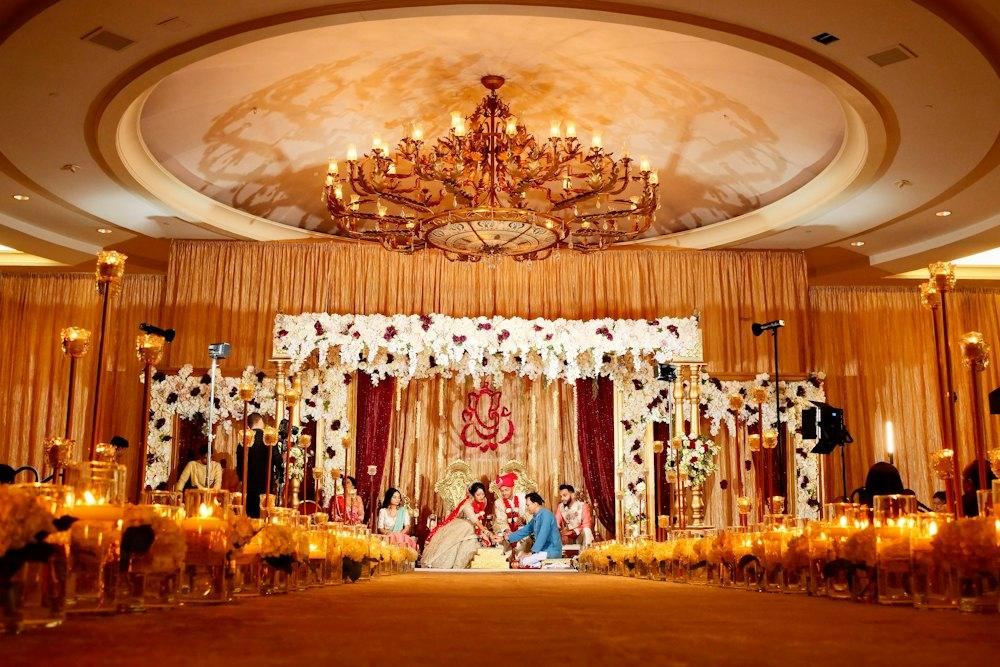
Confirm that the pandit has the samagri list and that someone from the family has checked it. Keep the rings, mangalsutra, sindoor and any family items with one named person. Before the pheras begin, ask the emcee or pandit to request that guests put phones away so the photographers have a clear view. Arrange seating close to the mandap for parents and grandparents, with water and cushions; pheras can take over an hour.
The reception
Allow time for the couple to change and have a touch-up. Make sure food is served to elders at their tables rather than asking them to queue. Give the DJ the first-dance song, the family’s favourite tracks and a list of songs not to play. If there are speeches, keep them short and scheduled. Put one trusted person in charge of gifts and envelopes, with a lockable bag.
After the celebrations
Hand over the final payments and tips from pre-labelled envelopes, so nobody has to count cash at 2 am. Lock away jewellery and gifts. Arrange for safe leftover food to be picked up for donation. Walk the venue for belongings and note any deposit to be refunded. Confirm transport for guests who are leaving early the next day.
A sample wedding-day timeline
For an evening wedding with a late muhurat, a typical day might run like this: breakfast and a short family puja in the morning; makeup and hair from early afternoon; getting-ready and couple portraits before sunset; the baraat assembles at seven and reaches the venue by eight; milni and varmala follow, then dinner opens for guests; pheras begin at the muhurat, often late at night; vidaai happens in the early hours. Share this outline with every vendor so arrival times match the plan.
Plan ahead with the calculators
Many wedding-day problems start weeks earlier: running out of food, too few rooms, a hall that is too small. Check quantities with the food calculator, alcohol calculator and venue size calculator well before the day. For the month-by-month plan, see the 12-month checklist.
The checklist
28 tasks · tick them off as you go. Your progress is saved in this browser.