What it costs
One traditional photographer and one videographer per function, 300–500 edited photos, a highlight video and a printed album.
Candid photographer plus traditional, cinematographer, 600–900 edited photos, 4–6 minute teaser, 30–45 minute film, one album.
Lead photographer personally, 2–3 candid shooters, drone, same-day edit, pre-wedding shoot, two albums and a feature film.
Pre-wedding shoot, drone, extra function, same-day edit, additional albums, live streaming.
Candid, traditional and cinematic: what you are paying for
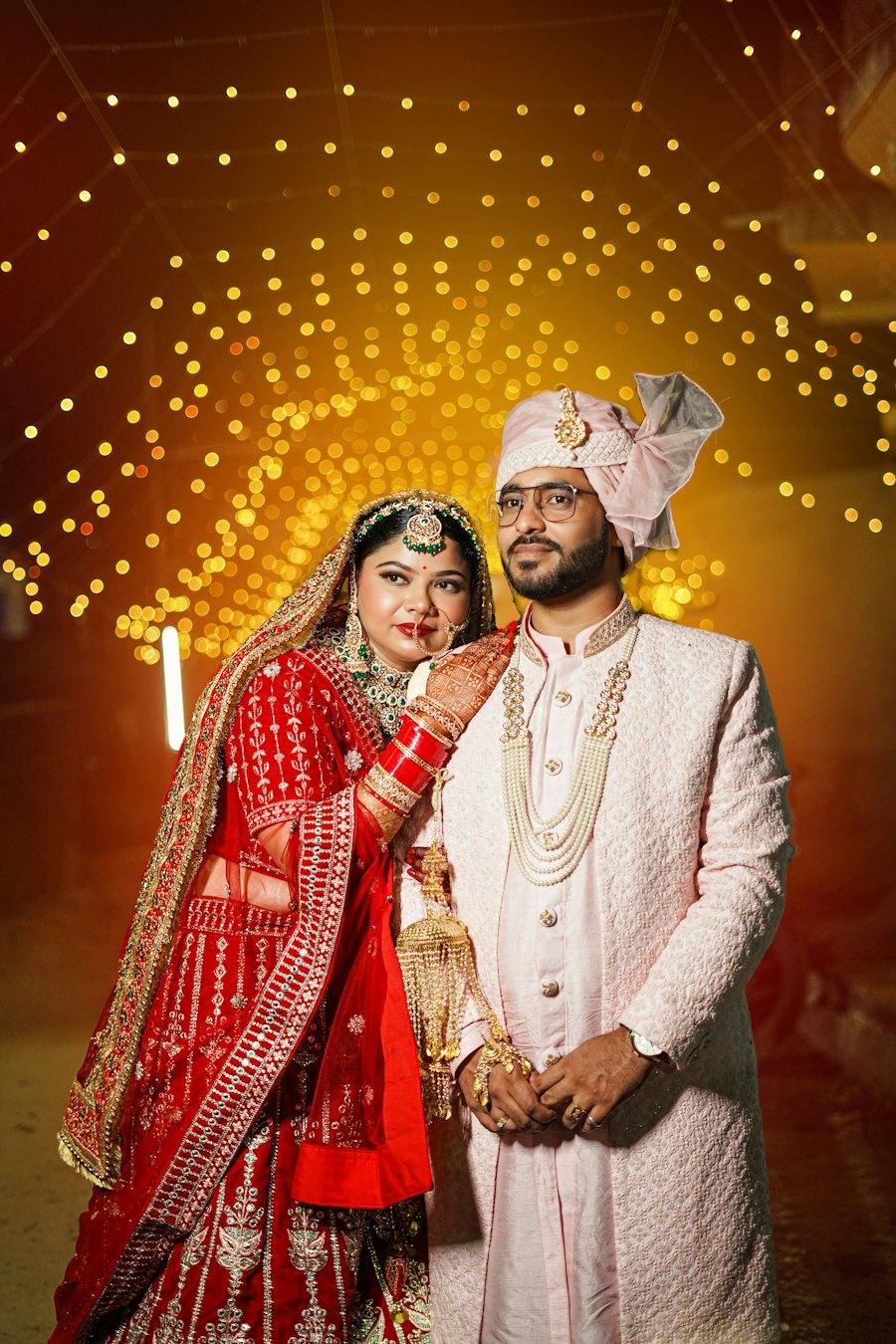
Indian wedding photography usually combines three roles. The traditional photographer handles posed shots: family groups on stage, every relative with the couple, the rituals in order. The candid photographer works quietly around the edges, catching laughter during the haldi, a father’s face during the kanyadaan, friends dancing at the sangeet. The cinematographer films the day and edits it into a short teaser and a longer film. Packages differ mainly in how many of each you get per function and how experienced they are.
Photography typically takes 7–10% of the budget in our budget calculator. Couples who care most about photos often shift money here from décor, since décor lasts one evening and photos last decades.
How to compare packages fairly
Quotes are hard to compare because every studio bundles differently. Write down, for each quote: the number of functions and hours covered; the team per function by role; the number of edited photos; the length of the teaser and the full film; albums (pages and size); and delivery timelines. Then compare like with like. A cheaper quote that sends one candid photographer for a 400-guest sangeet is not really cheaper if half the night goes uncovered.
Ask to see two complete galleries from weddings similar to yours — same kind of venue, similar lighting, night ceremonies. Instagram shows the best 20 photos; a full gallery shows whether the team is consistent across 600.
Booking and contracts
Book eight to ten months ahead for November–February dates. Your contract should name the lead photographer, list the deliverables with numbers, state delivery dates, and explain what happens if someone cannot attend. Clarify whether travel, stay and meals for the team are included; for a destination wedding they can add ₹50,000–₹2 lakh. A typical payment schedule is 30% to book, 40% before the wedding and 30% on delivery.
Getting better photos on the day
- Share a shot list of must-have family groups, with a relative who can round people up.
- Build 20–30 minutes of portrait time into the schedule, ideally at golden hour.
- Ask the decorator to leave a clean backdrop for portraits and avoid harsh coloured stage lights on faces.
- Feed the team: a hungry crew at 1 am is not your best crew.
- Keep phones down during the pheras by asking the pandit or an emcee to make an unplugged-ceremony request.
Pre-wedding shoots, drones and other add-ons
A pre-wedding shoot is the most popular add-on. It usually costs ₹40,000–₹1.5 lakh depending on location and travel, and it has a hidden benefit: you get used to the camera and the team before the wedding, so you look relaxed on the day. Drones add sweeping shots of outdoor venues but need permission at many sites and are banned near airports, which rules them out at some Aerocity and Gurgaon venues. Same-day edits, where a short film is shown at the reception, need a dedicated editor and cost extra. Live streaming is useful when grandparents or relatives abroad cannot travel.
Albums deserve a moment of thought. Ask how many spreads are included, what the paper and cover are like, and how many rounds of layout changes you get. Many couples now choose one well-designed album plus a digital gallery rather than several heavy albums for each side of the family.
Red flags
- The person you meet will not be the person who shoots.
- No written deliverables or delivery dates.
- Only highlight reels, never complete galleries.
- Refuses to hand over raw files at any price.
Looking for style ideas first? Browse our real weddings. Numbers on this page are WeddingStreet estimates; see How we estimate.
What to look for
| What to check | Why it matters |
|---|---|
| Consistent full galleries | Instagram highlights hide weak coverage; full galleries show consistency. |
| Low-light skill | Most Indian ceremonies happen at night under mixed lighting. |
| Clear deliverables | Number of photos, film length and delivery dates should be written into the contract. |
| Calm, respectful presence | Good teams capture rituals without blocking the pandit or elders. |
| Data safety | Dual-card cameras and backups mean your wedding is never lost to a corrupt card. |
Questions to ask before you book
- Will the lead photographer we met personally shoot our wedding?
- How many people are in the team for each function, and what does each person do?
- How many edited photos and what length of film do we receive?
- How long does delivery take for the teaser, photos, film and album?
- Do we get all the raw files, and is there an extra charge?
- Can we see two complete wedding galleries, not just highlights?
- How do you handle low light at night ceremonies and pheras?
- What happens if a team member falls ill on the day?
- Are travel, stay and food for the team included?
- What are the payment milestones and the refund policy?
Example vendors
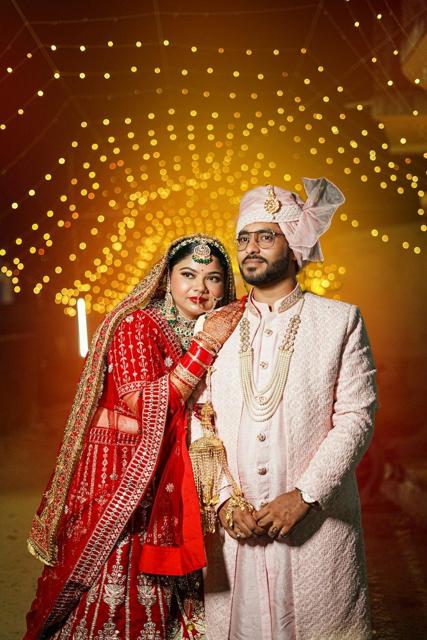
Golden Hour Stories
Fictional example: a candid-led team known for natural colour and unposed family moments.
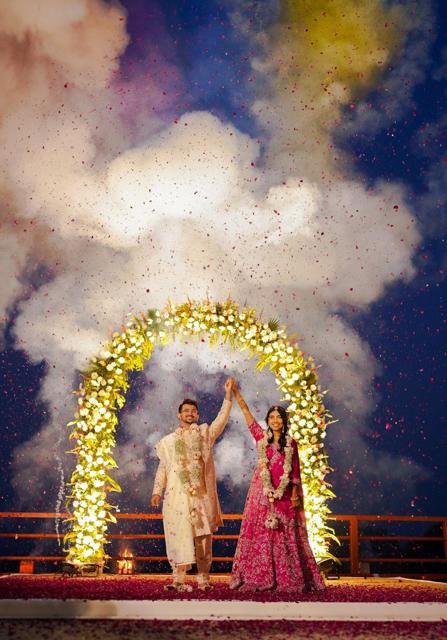
Frame by Frame Studio
Fictional example: reliable traditional and candid coverage for banquet weddings.
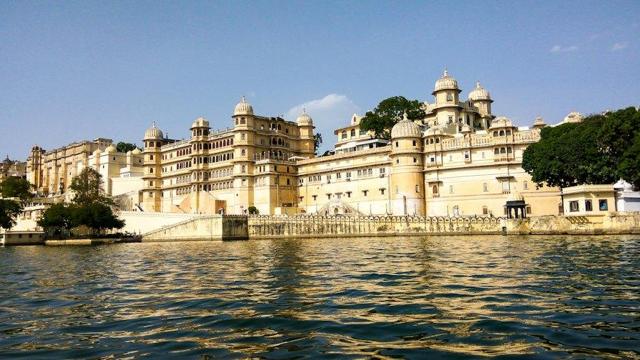
Lakeside Light Films
Fictional example: destination specialists with drone and documentary-style films.
Chaandni Candids
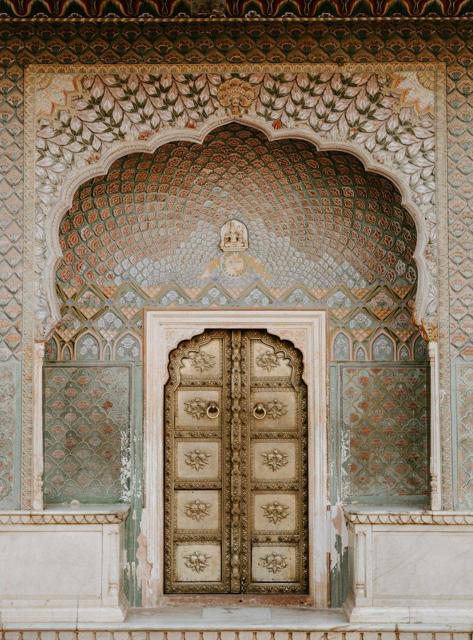
Fictional example: small team focused on heritage venues and golden-hour portraits.